





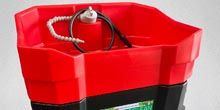
Cleaning of CNC machines and machining fluids
Oil filtration, supply of fluids, and equipment that extends service life.
We take full care of your oil-management system. We provide process fluid analysis, filtration and separation. Partnering with us means saving time and cost and extending the service life of fluids, oils and machining equipment.
Consulting, analysis, servicing
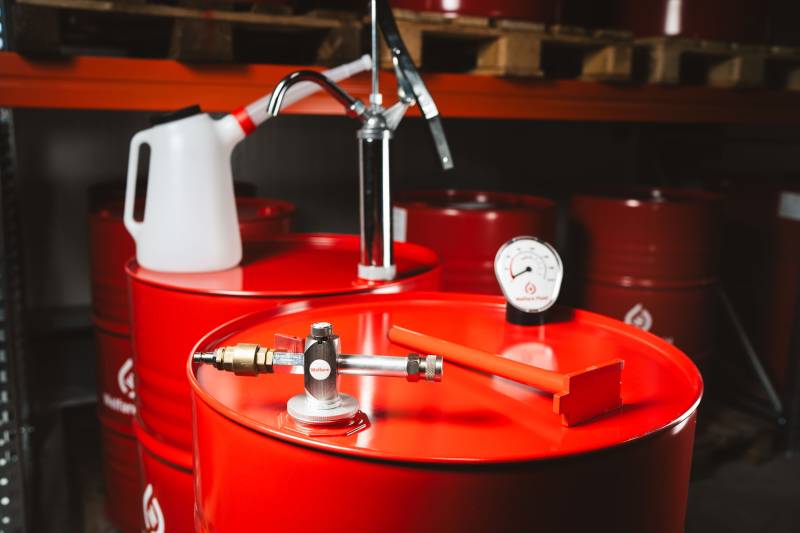
Cleaning of machine tools and fluids
We are able to clean all types of CNC machines and machining fluids in a short time frame.
In practice, our technicians cleaning services can reduce downtime by up to 60%.
We are fast, efficient, and trained machinists who know every component. We use high-quality professional equipment, which significantly reduces the downtime of machines.
Care for CNC Machines
We optimize machine and fluid maintenance fit to your requirements.
Typically, machines are cleaned on-site by the machine operator. However, we deliver faster, more efficient service with the best equipment available. On top of that, we know every bolt of every machine on the market. Thanks to that expertise our clients experience significantly reduced downtime and save both time and money.
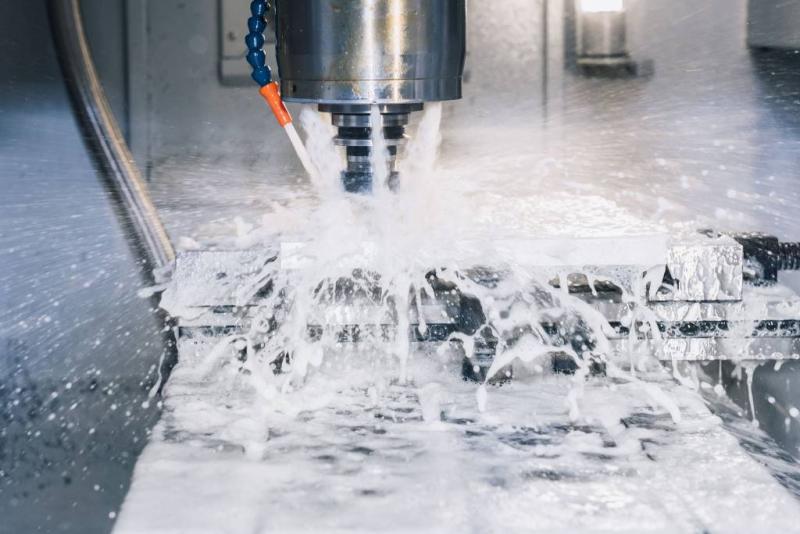
Oil‐Management Optimisation
Effective management of process fluids is key to the reliability of machines and to cost savings in manufacturing operations.
Our services include expert control of the quality of cutting oils, machining fluids and lubricants. Through regular monitoring of concentration, filtration and fluid condition we minimise the risk of contamination, corrosion or degradation, which in turn increases the service life of both machines and fluids.
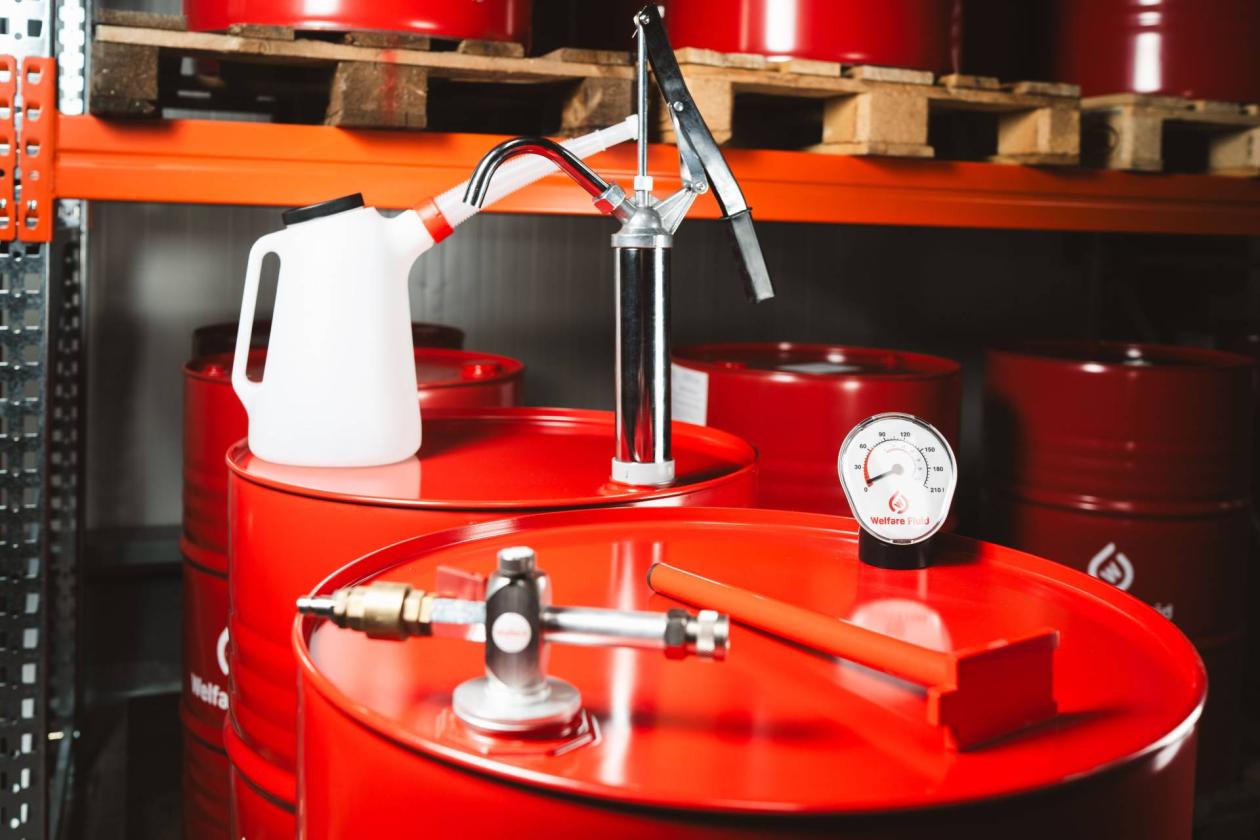
Machining Fluids
High-performance machining fluids and cutting oils designed for CNC machines.
We are the official distributor of the MOTUL brand in the Czech Republic.
The MOTUL industrial division (MotulTech) is a global leader in the development and production of fluids for metal machining. The result is a comprehensive product portfolio characterised by high performance, long service life and a strong focus on operator safety and environmental responsibility.

Extended Service Life
Machine Cleaning During Operation
Our filtration equipment extends the service life of machining fluids in the machines and thus extends the service life of the machines themselves. The oil separator removes waste oils and fine contaminants from process fluids.
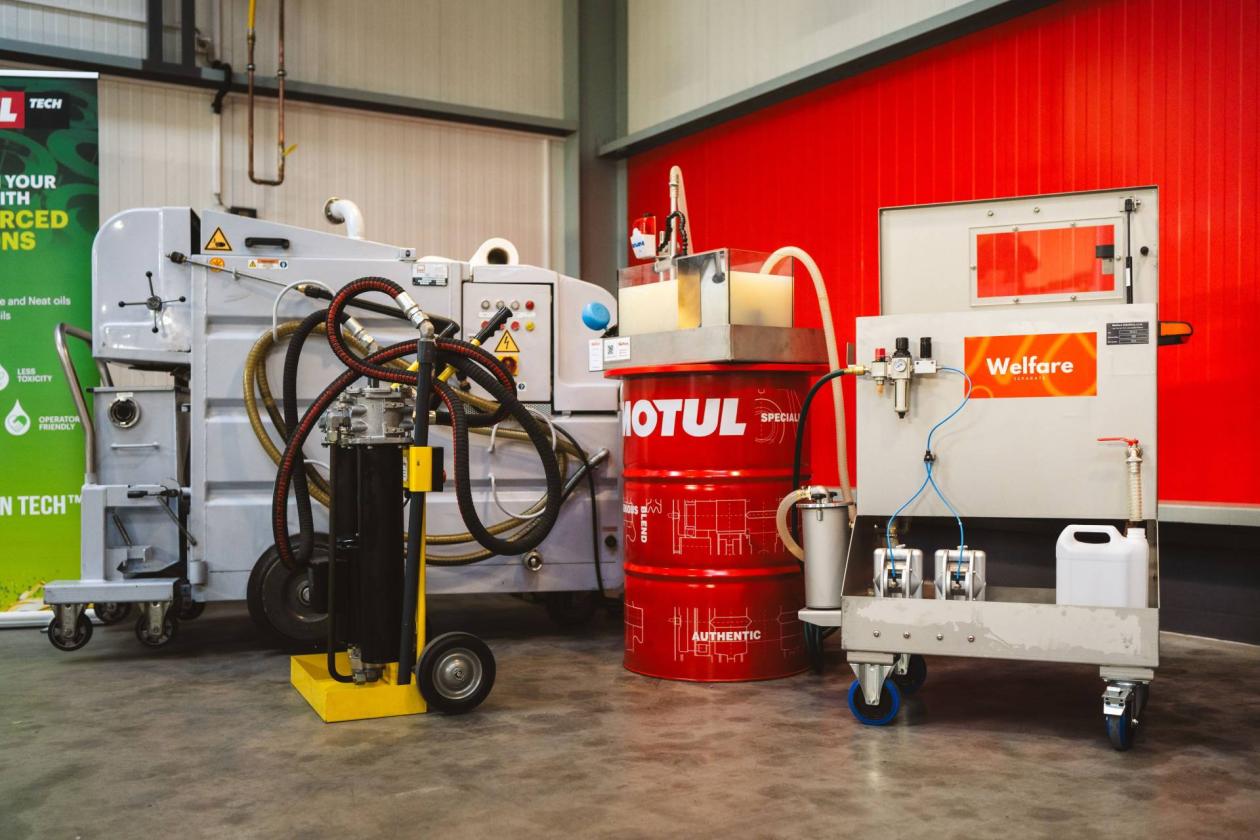
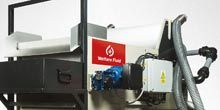
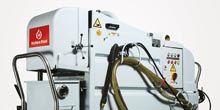
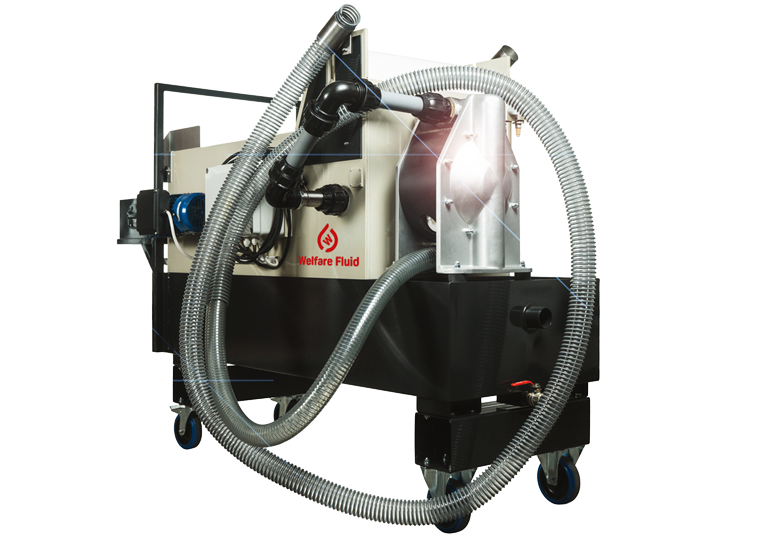
Oil Separator – Welfare Fluid
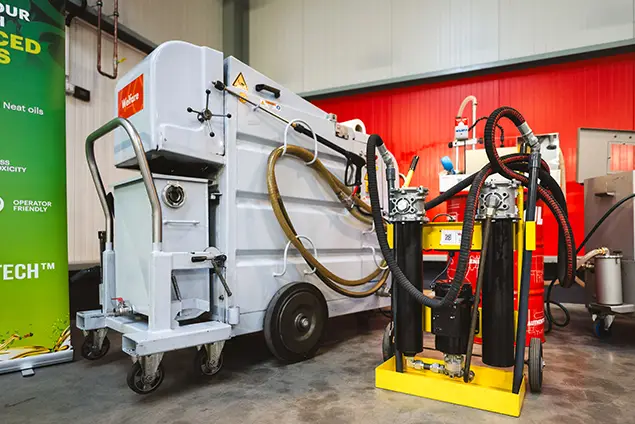
The mobile oil separator operates while the machine is running to clean the machining fluid of loss-oils and fine contaminants.
Thanks to its powerful pump, it can clean an entire tank in a short time, even pumping out oil from areas that belt conveyors cannot reach.
Welfare Fluid
Why Companies Choose Welfare Fluid
We build long-term, personal collaborations with our clients, so there is always someone they can turn to. We know our clients and their machines, and our clients know us.
We use high-quality equipment and products from proven suppliers.
We provide comprehensive services and consulting.
Partnering with us means saving time and lowering costs, while extending the service life of fluids, oils and machining equipment.
Frequently Asked Questions
What type of fluids can you clean?
We can clean all kinds of machining fluids, oil bath degreasing waters, cutting oils, hydraulic oils and many other types of fluids and oils.
How often should emulsion fluids in a tank be changed?
It is somewhat like asking, “How often should I change the water in a vase of flowers?” — when everything around it starts to smell odd, bubbles appear and your colleagues avoid standing near the machine, then you’ve probably left it too long.
In practice, the frequency depends on several factors:
- The type of machine – a milling machine with 100 litres of emulsion behaves differently than a machining centre with 2 000 litres.
- The quality of water – hard water may “cement” the tank, while soft water might foam like a cappuccino.
- The discipline of the operator – if someone “fills up” by eye, you get more of a chemical cocktail than a cooling fluid.
Ideal scenario?
Instead of a full replacement after six months or a year, the emulsion is regularly tested (pH, concentration, cleanliness) and refreshed with biocides or filtration. It’s like watering and fertilising a plant rather than replacing the pot each year — the plant and the emulsion will both last much longer.
Worst case?
Waiting until the tank becomes a small biological experiment. Yes, you could even hold a company contest for the worst smell or the weirdest fluid colour… but maintaining machines and tools will cost you far more than preventive inspections.
Is ecological disposal of fluids possible?
Yes — but not by picking up a bucket and “accidentally” emptying it behind the fence. Industrial emulsions and lubricants contain oils, additives, and sometimes bacteria that do not benefit nature. That is why disposal is handled by specialised companies: they first separate the fluid, neutralise it and recycle what they can.
In the end a significantly smaller volume of waste remains and some components can be reused. So yes — an ecological path exists, but you must admit that garden composting or dumping into a drain are not the proper solutions.
How can the cleanliness of fluids after their purification be verified?
Ideally not by smell or colour alone (“it smells better than last time, so it’s probably okay”). Cleanliness after purification can be verified by several methods:
- Measuring concentration with a refractometer – a quick check to see if the emulsion is too sparse or too dense.
- Checking pH – when the value drifts out of its reasonable range, bacteria become all too happy.
- Visual test – the emulsion should be homogeneous, without oil films on the surface or suspicious “flakes”.
- Laboratory analysis – for a thorough check, one can analyse metallic particle content, bacterial load or residual additives..
In short: your eyes and nose may give you hints, but you should rely on measurements. Otherwise, you risk having not a clean fluid, but the seed of a new life in your tank — more interesting to a biologist than a machinist.
If my fluid starts to foam, can I just add dish-washing liquid?
Please don’t 🙂 Dish-washing liquid is great for your dishes, but in an emulsion it causes even more foam. The correct solution is to identify the cause (improper concentration, mechanical aeration, unsuitable fluid type) and fix it.
Why must the biological stability of fluids even be addressed?
Because otherwise your tank will grow its own “ecosystem”.
Micro-organisms feed on emulsion components and begin producing acids and gases → this leads to smells, machine corrosion and operator skin irritation. Fortunately, biocides and preventive procedures exist that extend fluid life. It’s a small intervention, but a huge difference in work quality.
How much influence does water quality have on the emulsion?
A great deal. Hard water can cause deposits and reduced stability; too soft water may support foaming. That is why we recommend using treated water (demineralised or reverse-osmosis), so you retain full control over the emulsion.
What are the most common mistakes when working with industrial fluids?
- Mixing fluids from different manufacturers.
- Failing to maintain the recommended concentration.
- Completely ignoring regular checks.
And one “bonus”: relying on the fact that “it will just run”. Usually it will — until the machine stops mid-order.